
 Skip to content
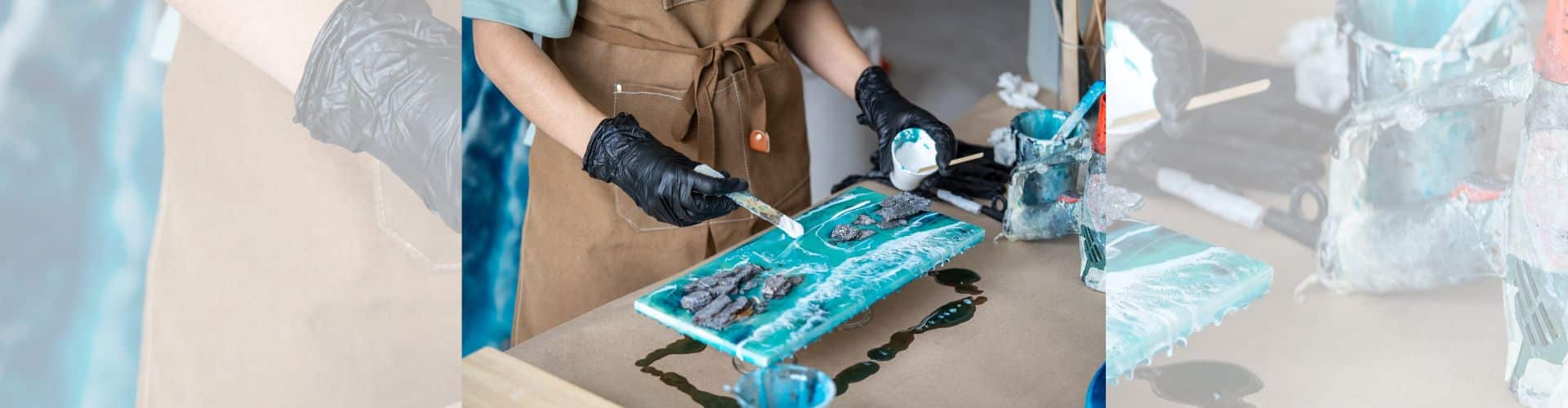
Learn how epoxy cure times work and how temperature, humidity, and thickness affect curing. Get pro tips for perfect deep-pour and table projects.
Understanding Epoxy Cure Times: Temperature, Humidity & Thickness.
Epoxy cure times are one of the most misunderstood parts of DIY resin projects. Whether you are pouring a river table, coaster, charcuterie board, or coffee table, the curing process determines clarity, strength, durability, and final finish. Unlike generic craft resin brands, professional-grade systems like Everflow DIY DeepFlow and EverGloss are engineered for predictable curing, even in challenging environments.
This guide breaks down how temperature, humidity, and pour thickness affect curing and how to get flawless results every time.
Why Cure Times Matter?
Curing determines:
– Bubble release
– Clarity
– Surface hardness
– UV resistance stability
– Heat resistance
– Structural integrity
An epoxy that cures too fast will overheat and crack. One that cures too slow may trap bubbles or remain tacky. Understanding cure behavior is essential for every DIYer.
Temperature and Epoxy Curing
Epoxy performs best between 20°C and 24°C (68–75°F).
Cold temperatures:
– Slows curing dramatically
– Increase viscosity (thicker resin)
– Trap bubbles
– Reduce clarity
– Cause soft or rubbery finishes
Hot temperatures:
– Speed curing too quickly
– Cause yellowing
– Increase exotherm (heat reaction)
– Risk cracking or warping
Humidity and Epoxy Performance
Humidity affects epoxy more than most people realize.
High humidity (over 70%):
– Causes amine blush (waxy surface)
– Creates cloudy or milky resin
– Interferes with bonding between layers
Low humidity, especially extreme dryness, can make epoxy cure too fast, leading to a brittle finish with potential cracks, reduced impact resistance, and weaker bonds, while high humidity typically causes “amine blush,” cloudiness, or slow curing; for best results
Ideal conditions between 40-60%
Pour Thickness & Curing Speed
Deep pours require slow-curing formulations. Everflow DeepFlow is engineered for thick 2–3 inch pours without overheating.
If using fast-cure craft resin:
– It cannot be poured thicker than 0.25–0.5 inches
– It will crack or yellow
– It will overheat inside molds
DeepFlow’s slow exotherm ensures clean, bubble-free results in molds, river tables, and full-depth coffee tables.
How to Control Cure Times
– Pre-warm the epoxy kit to 22°C
– Maintain stable shop temperature
– Seal wood first with EverGloss
– Pour in the recommended thickness
– Avoid direct sunlight during curing
– Use a dust cover to protect the surface
Signs Your Epoxy Is Curing Correctly
– Surface begins to gel after several hours
– Resin becomes warm but not hot
– Clear transition from liquid to solid
– Achieves furniture-grade hardness in 72 – 96 hours
Common Curing Problems & Fixes
Tacky surface:
– Usually caused by cold temperatures or poor mixing
– Lightly sand and apply EverGloss as a new top coat
Soft or flexible resin:
– Pour was too thick
– Move project to a warmer room to finish curing
Milky/cloudy resin:
– Caused by high humidity or moisture in wood
– Always seal wood first
Final Thoughts
Perfect curing is the foundation of every great epoxy project. By managing temperature, humidity, and pour depth and by choosing a professional epoxy system you ensure clarity, strength, and long-term durability. Everflow DIY resins are engineered to cure consistently, giving beginners the same results as professionals.
Learn how epoxy cure times work and how temperature, humidity, and thickness affect curing. Get pro tips for perfect deep-pour and table projects.
Understanding Epoxy Cure Times: Temperature, Humidity & Thickness.
Epoxy cure times are one of the most misunderstood parts of DIY resin projects. Whether you are pouring a river table, coaster, charcuterie board, or coffee table, the curing process determines clarity, strength, durability, and final finish. Unlike generic craft resin brands, professional-grade systems like Everflow DIY DeepFlow and EverGloss are engineered for predictable curing, even in challenging environments.
This guide breaks down how temperature, humidity, and pour thickness affect curing and how to get flawless results every time.
Why Cure Times Matter?
Curing determines:
– Bubble release
– Clarity
– Surface hardness
– UV resistance stability
– Heat resistance
– Structural integrity
An epoxy that cures too fast will overheat and crack. One that cures too slow may trap bubbles or remain tacky. Understanding cure behavior is essential for every DIYer.
Temperature and Epoxy Curing
Epoxy performs best between 20°C and 24°C (68–75°F).
Cold temperatures:
– Slows curing dramatically
– Increase viscosity (thicker resin)
– Trap bubbles
– Reduce clarity
– Cause soft or rubbery finishes
Hot temperatures:
– Speed curing too quickly
– Cause yellowing
– Increase exotherm (heat reaction)
– Risk cracking or warping
Humidity and Epoxy Performance
Humidity affects epoxy more than most people realize.
High humidity (over 70%):
– Causes amine blush (waxy surface)
– Creates cloudy or milky resin
– Interferes with bonding between layers
Low humidity, especially extreme dryness, can make epoxy cure too fast, leading to a brittle finish with potential cracks, reduced impact resistance, and weaker bonds, while high humidity typically causes “amine blush,” cloudiness, or slow curing; for best results
Ideal conditions between 40-60%
Pour Thickness & Curing Speed
Deep pours require slow-curing formulations. Everflow DeepFlow is engineered for thick 2–3 inch pours without overheating.
If using fast-cure craft resin:
– It cannot be poured thicker than 0.25–0.5 inches
– It will crack or yellow
– It will overheat inside molds
DeepFlow’s slow exotherm ensures clean, bubble-free results in molds, river tables, and full-depth coffee tables.
How to Control Cure Times
– Pre-warm the epoxy kit to 22°C
– Maintain stable shop temperature
– Seal wood first with EverGloss
– Pour in the recommended thickness
– Avoid direct sunlight during curing
– Use a dust cover to protect the surface
Signs Your Epoxy Is Curing Correctly
– Surface begins to gel after several hours
– Resin becomes warm but not hot
– Clear transition from liquid to solid
– Achieves furniture-grade hardness in 72 – 96 hours
Common Curing Problems & Fixes
Tacky surface:
– Usually caused by cold temperatures or poor mixing
– Lightly sand and apply EverGloss as a new top coat
Soft or flexible resin:
– Pour was too thick
– Move project to a warmer room to finish curing
Milky/cloudy resin:
– Caused by high humidity or moisture in wood
– Always seal wood first
Final Thoughts
Perfect curing is the foundation of every great epoxy project. By managing temperature, humidity, and pour depth and by choosing a professional epoxy system you ensure clarity, strength, and long-term durability. Everflow DIY resins are engineered to cure consistently, giving beginners the same results as professionals.